
Articles

value six sigma VOC VSM

Six Sigma: It’s About Value to the Customer

One of Six Sigma’s core beliefs is to do away with any waste. This means if it doesn’t bring value to your product or service, it is waste. So let us shed light on Non-value added processing in Six Sigma.  Depending on the industry your business is serving, non-value added processing can be anything from […]


View More

Image: Six Sigma and Company Staff Motivation

Six Sigma Motivates and Inspires Company Staff

There are many ways businesses have tried to motivate company staff members. If administration is now noticing that their staff is unmotivated, chances are they have been feeling this way for awhile and may be ready to quit. Without an engaged workforce, your company may slowly start to diminish, and customer complaints and dissatisfaction will start […]

View More

six sigma holiday retail dmaic

The Holidays Need a Sprinkle of Six Sigma Magic

As the holidays are edging their way towards us, a little help would be appreciated, so think Lean Six Sigma! If you have a retail business, you understand that the more help a customer receives, the happier they will be. While this definitely applies to customer service, we’re specifically referring to the physical layout of […]

View More

Image: Six Sigma Basics

A Review in the Basics of Six Sigma: Part 2

Important Key Principles in Six Sigma The reason Six Sigma works is because of its key principles. If every business followed these principles, there is no doubt that the number of business successes would dramatically rise. Value Customer focus and requirements: This is the main staple of business success, really understanding what is important to […]

View More

Image: 5 Principles of Lean Manufacturing

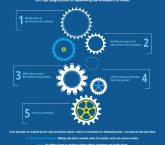
[INFOGRAPHIC] 5 Key Principles of Lean Manufacturing or Lean Thinking

This infographic illustrates the five key principles of lean manufacturing, also known as “lean thinking”. The concepts are broken down as follows: 1) Utilize the Voice of the Customer (VOC) tool to specify what is important to your customer. Use either direct contact or indirect contact with those customers. Direct Contact: Interviews, surveys, focus groups […]

View More