Articles

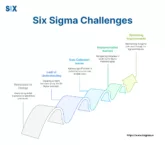
Image: Six Sigma Implementation Challenges

Overcoming the 7 Biggest Six Sigma Challenges: A Real-World Guide

You have the executive mandate. You’ve read the books and perhaps even have the certification. So why does implementing Six Sigma feel like pushing a boulder uphill in a hurricane? You’re not alone. Most initiatives, even in well-run organizations, face a predictable set of hurdles that have more to do with people and politics than […]

View More

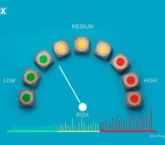
Image: Risk Priority Number (RPN) in FMEA

Lean Six Sigma Strategies – Risk Priority Number (RPN) in FMEA

The Risk Priority Number (RPN) is a scoring system used in risk management to rank the severity, likelihood of occurrence, and detectability of potential problems. RPN is a multiplication of three key factors: severity, occurrence, and detection. Want to transform how your organization identifies and mitigates risks? Learn powerful tools like RPN to drive data-informed […]

View More

Image: Process Failure Mode & Effects Analysis (PFMEA) in Lean Six Sigma

Process Failure Mode & Effects Analysis (PFMEA) in Lean Six Sigma

Even the most well-designed processes can be susceptible to failures, which can lead to defects, delays, and costly consequences. To proactively identify and mitigate potential risks, companies employ a powerful risk assessment tool known as Process Failure Mode and Effects Analysis (PFMEA). Master Risk Assessment with Six Sigma Yellow Belt Certification Transform your approach to […]

View More

FMEA

All About FMEA (Failure Mode and Effects Analysis)

Six Sigma is all about eliminating errors and defects that derails the customer’s experience. And, this is where FMEA comes into the picture, helping predict possible failures that will impact customer experience.  Majorly, FMEA is implemented during the ‘Analyze’ phase of the Six Sigma DMAIC cycle. Check out our blog on DMAIC and its modules. […]

View More

Word on the Street About FMEA

FMEA stands for Failure Modes and Effects Analysis. This great Six Sigma tool or template is a method which will call out possible failures and their impact in a product or process design. This template is used during the concept development or design of a product. Taking the time to use this Six Sigma template […]

View More

Image: Lean Six Sigma

Lean Six Sigma Language: A Quick Review of the Basics

When it comes to Lean Six Sigma, acronyms and tools are a staple. The different acronyms and different tools could get confusing if not reviewed frequently — which brings up a good point of continuous education as a form of review as well as progressing forward. Think of reviewing as visiting an old friend and […]

View More

Risk Assessment

FMEA: Failure Mode and Effect Analysis – Risk Assessment

Need for Failure Assessment Traditionally, a lot of emphasis was placed on designing a product. Those who planned ahead of time were given a pat on the back. Then, most of the effort was positioned towards manufacturing the product. Lastly, the product was checked for any defects or areas where quality was compromised. This cycle […]

View More