

 This individual will also conclude the ability to measure the Y. When the project is obviously outlined with a clearly quantifiable Y, the process is scrutinized to define the Key Process Steps, as well as the Key Inputs for every process. Once the Key Input list is produced, the Belt will determine the possible influence on CTQs that every input has in connection to the faults that are being produced within the process. Each Key Inputs is then prioritized to create a “short list” that can be scrutinized more precisely. The “short list” will be used by the Belt to narrow down the possible methods that could result in an error or how the input might become flawed. FMEA is the most effective system for this process. Any input failures can quickly be defined and preventive action strategies established.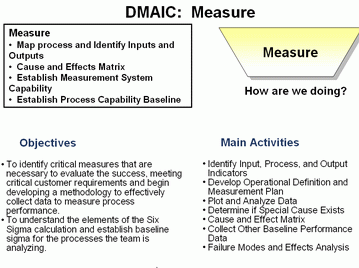
 Go to Analyze Step Three






Close

×
Monthly Management Tips
- Be the first one to receive the latest updates and information from 6Sigma
- Get curated resources from industry-experts
- Gain an edge with complete guides and other exclusive materials
- Become a part of one of the largest Six Sigma community
- Unlock your path to become a Six Sigma professional
"*" indicates required fields