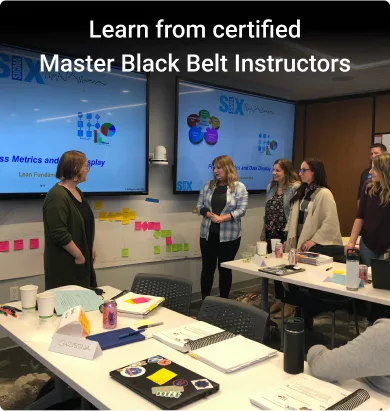
Building the Foundation for Success
In depth discussion designed to give participants a comprehensive understanding of applying Lean Flow and Lean Six Sigma techniques to design an optimum process layout. Participants will utilize the DMAIC roadmap to comprehend the power and impact of implementing Lean Flow and Lean Six Sigma in a step by step approach. In addition to understanding the sequence of how to apply Value Stream Mapping, 5S, Theory of Constraints, Kaizen, TPS, and Mix Model Flow, participants will know when and where to apply Process Mapping, C&E Matrices, FMEA, and SPC tools of Six Sigma to maximize and sustain the business transformation.
(4 day instruction with hands on exercises)
Driving for Value
Senior Executive review of how Lean Flow and Lean Six Sigma can transform business processes to become extremely flexible and responsive to customer needs while setting the stage for increased earnings and market share.
(1 day seminar)
The Process View of Lean Flow and Lean Six Sigma
Senior management and director level discussion of using Lean and Lean Six Sigma methods for driving rapid results both in response and improvement to the bottom line in manufacturing business, service business processes, and governmental entities. Participants will be exposed to the financial impact the tools can bring to an organization.
(2 day overview)
The Rapid Implementation Process of Lean Flow and Lean Six Sigma
Geared to management and front line supervision, this step by step discussion takes participants through each step for implementing Lean and Lean Six Sigma methods using the DMAIC approach to driving results. The class will help to define the best methods in the Lean Flow, Lean Six Sigma tool box given an organization’s objectives. (2 day seminar)
Lean Six Sigma through the Supply Chain
How can Lean Six Sigma methods impact the entire supply chains ability to contribute to the better service while dramatically decreasing costs and improving overall margin improvement. Participants will learn how to statistically analyze customer demand at each point in the supply chain vs. the processes ability to respond. Specific techniques of implementing true lean pull methods from Point of Sale through Supplier capability will be addressed. This class will be of value not only for Planning, Materials, Logistics, and Purchasing professionals, but also to Sales and Marketing for taking advantage of the real value gained in rapid response to customer needs in the Supply Chain.
(3 day seminar and group discussion)
Complex Machine Center Optimization
Of critical importance to machine and fabrication manufacturers, but also applicable to pharmaceutical, medical, and companies impacted by lost time and complexity in managing product mix against change over needs while continuing to link run rates and replenishment directly to the customer or end user demand. Statistical demand analysis will be compared to process capability where processes must be shared with more than one downstream value stream. The Lean Six Sigma analysis will drive key deployment opportunities for deployment of Six Sigma in the value stream.
(2 day instruction with hands on exercises)
Lean Service with Data
Lean has far more potential in Services businesses. The gains possible can be multiplied across a large volume of customers. Lean is simply about creating more value for customers by eliminating activities considered waste. One of the most important aspects of Lean is the focus on process or system level improvements. Lean Services is the application of Lean principles in Commercial and Service environments. Commercial vs. Industrial or Manufacturing are organizations which offer services to businesses, and / or the general public. Concepts such as justifying waste and non value added in the name of the Internal Customer. Lean Service will focus on the mapping the process the customer goes through, and understanding the time, value, and transactions truly necessary to support the customer and response. Saving customer’s time can actually save an organization’s time and money.
(2 day instruction with hands on exercises)
Lean Master I
Service + Manufacturing Focus. This program is of particular importance to anyone responsible for driving adoption of Lean Systems through their organizations, (both operationally, and system wide). A company / organization based project will be a key element of the Lean Masters program, to support the integration of the methods into participant’s workplace. The project will need to result in cost saving in excess of $100,000 for the organization and will require project definition and sign off by finance. This is an outstanding opportunity for key individuals to gain leadership and project management skills that will allow for greater leverage in driving Lean Systems throughout their organizations.
The Lean Masters program will require 40 hours overall of classroom participation and an additional 40 to 80 hours of completing the individual project programs within each organization. Final presentation must be given approval by SixSigma.us Lean Master prior to a required presentation each student must give to their management team.
Week One Agenda:
- Review of Lean Concepts and Lean Implementation Methods
- Six Sigma DMAIC roadmap and project selection
- Process and Value Stream Mapping techniques in any environment
- Analysis of Defined Objectives against KPIV’s
- Relevant Data Requirements, Collection, and Analysis
- Resource, Transaction, Constraint analysis
- Steps to Optimization in Transactional and Administrative processes
- Managing change
- Overview of Advanced Lean Methods and application to various process needs.
- Completion of individual Lean Project Charters
Lean Master II
Week Two of the Lean Masters program will validate progress being made on each individual’s project by requiring presentation by each member to the class. Advanced Lean Methods and Six Sigma Tools will drive the balance of the week’s two instruction and participation.
Week Two Agenda:
- Individual Project Validation
- Variable Demand Analysis
- Advanced Process definition and understanding all components of replenishment and response time
- Advanced Machining Resource Analysis and Application
- Advanced Kanban / Signaling methods
- Complex Process Integration
- Integrated Demand Management
- Lean Implementation through the Supply Chain
- Optimizing Transactional Processes
- Steps to Drive Lean Implementation to Improve and Control
Final presentation of completed projects and sign off
In order to maximize the adoption process of Lean and Lean Sigma, both Masters weeks are set up in a module format, whereby key topics can be pulled out for specific client reinforcement needs.
These include:
- Process and Value Stream Mapping techniques in any environment
- Relevant Data Requirements, Collection, and Analysis
- Resource, Transaction, Constraint analysis
- Variable Demand Analysis
- Statistical Aproach to defining customer demand against a value stream
- Advanced Process definition and understanding all components of replenishment and response time
- Advanced Machining Resource Analysis and Application
- Advanced Kanban / Signaling methods
- Complex Process Integration
- Integrated Demand Management
- Lean Implementation through the Supply Chain
- Optimizing Transactional Processes
For any questions/comments feel free to contact us.
|